Ray-Ban Sunglasses Ireland: Price, Authenticity, Value Guide
There’s something about a pair of Wayfarers that feels like a wardrobe shortcut to instant cool. But when you’re looking at a €190 price tag on the same pair in Dublin, you start wondering: are you paying for the name or for something that’ll actually last?
Average price of Ray-Ban sunglasses: €150–€250 · Global market share of Ray-Ban in 2023: Over 30% of premium segment · Years of production for Wayfarer: Since 1952 · Authorized retailers in Ireland: 50+ physical and online stores
Quick snapshot
- Authentic Ray-Ban lenses have an RB or Ray Ban laser etching on the left lens corner (Feel Good Contacts, UK optical retailer)
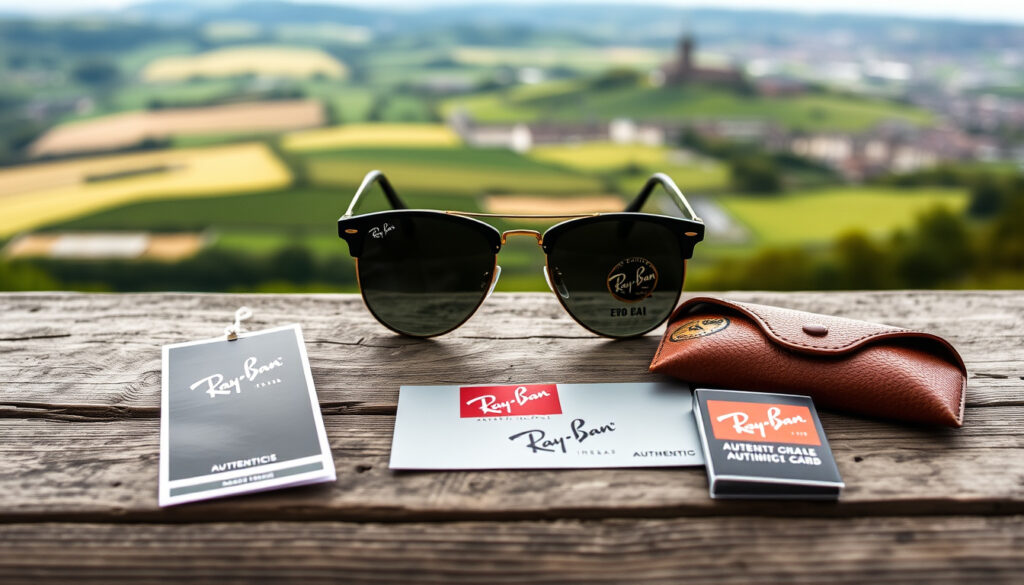
- Genuine Ray-Ban sunglasses include an official case with logo on the stud and a branded cleaning cloth (Feel Good Contacts)
- Exact percentage of counterfeit Ray-Bans in Irish online marketplaces is unknown
- Whether Ray-Ban warranty is honoured for purchases from non‑authorised third‑party sellers remains uncertain
- Whether the model number on every authentic pair consistently matches packaging in all markets is not always guaranteed
- PriceSpy lists over 550 Ray-Ban products for price‑matching, showing sustained demand in Ireland (PriceSpy, UK price comparison site)
- Always check lens etching and matching serial numbers before buying online (Feel Good Contacts)
- Buy from authorised retailers like Ray‑Ban Ireland or Vision Express to guarantee warranty coverage (Feel Good Contacts)
Here’s a look at the brand’s core specifications, compiled from official and retailer sources.
| Attribute | Value |
|---|---|
| Parent company | EssilorLuxottica (Italy/France) – Ray‑Ban Ireland |
| Year founded | 1937 (Wayfarer debut 1952) |
| Current lineup | Over 200 models including Polarized, Chromance & prescription |
| Most popular model globally | Wayfarer (over 10 million pairs sold since launch) |
| Average discount at Kildare Village outlet | ~30% off SRP |
| Warranty period in Ireland | 2 years against manufacturing defects (1 year for lenses) |
| Typical price range (non‑prescription) | €140–€250 depending on model and lens |
| Prescription available at Specsavers | Yes – €120–€250 with 2‑for‑1 deals often available |
| Lens etching on authentic pair | ‘RB’ or ‘Ray Ban’ laser engraved on left lens |
| Polarized lens marking | ‘Ray‑Ban P’ etched on top corner |
Why Is Ray‑Ban So Expensive?
Ray‑Ban owes its premium price tag to a combination of quality materials, manufacturing scale, and decades of brand cachet. Every pair uses acetate, titanium, or stainless steel frames, and lenses include polarized, photochromic, and scratch‑resistant coatings.
- EssilorLuxottica owns the entire supply chain from frame production to retail – vertical integration keeps margins controlled but doesn’t lower shelf prices
- Licensing agreements and official distribution channels add a layer of cost that generic competitors skip
Materials and manufacturing quality
Authentic Ray‑Ban frames are made from high‑grade acetate sourced from top Italian suppliers. The hinge system is tested for tens of thousands of opening cycles. Lenses meet ANSI Z80.3 standards, and polarizing films are bonded inside the lens rather than laminated on top.
Brand heritage and licensing costs
Ray‑Ban has been producing the Wayfarer since 1952 and the Aviator since 1937 – that kind of history commands a premium. The brand license fees paid by retailers such as Specsavers and Vision Express are passed on to the customer.
Comparison with other premium eyewear brands
At similar price points, Ray‑Ban competes with brands like Persol (also Luxottica), Maui Jim, and Oakley. What sets Ray‑Ban apart is the sheer variety – over 200 models and multiple lens technologies – and the instant recognition. The premium isn’t just for materials; it’s for the status symbol.
The implication: you’re not just buying lenses and frames — you’re paying for engineering that outlasts cheaper alternatives and a name that holds its value.
Is It Worth Buying Ray‑Ban Sunglasses?
Upsides
- Average lifespan 5–10 years with proper care – longer than budget brands
- 2‑year manufacturer’s warranty honoured at authorised Irish retailers
- Strong resale value on secondhand platforms; used pairs often sell for 40–60% of retail
Downsides
- High initial outlay – typical non‑prescription pair costs €140–€250
- Fakes are widespread; online deals below €80 are almost certainly counterfeit
- Repair costs outside warranty can be steep – replacement lenses from an optician may cost €100+
Long‑term value and durability
Owners who store their Ray‑Bans in the official case and clean them with the provided cloth regularly get 5–10 years of daily use. The stainless‑steel or titanium hinges remain tight, and the acetate frames can be polished to remove minor scratches.
Resale on Depop or eBay is strong: a three‑year‑old Wayfarer in good condition typically sells for €70–€100. Budget brands such as Quay or Knockaround have negligible resale.
A €200 Ray‑Ban can be cheaper per year of use than three €40 pairs that break or fade each season. But only if you buy authentic – a €50 fake gives you neither durability nor resale.
The pattern: authentic Ray‑Bans outlast cheap alternatives so consistently that the higher upfront cost pays off after a few years of daily wear.
What Do Fake Ray‑Bans Look Like?
Fake Ray‑Bans have become sophisticated, but several tell‑tale signs separate genuine pairs from counterfeits.
Signs of counterfeit Ray‑Ban frames
- Missing or misaligned lens etching – authentic pairs always have RB or Ray Ban laser engraved on the left lens (Feel Good Contacts, UK optical retailer)
- Polarized models should have Ray‑Ban P etching on the top corner of the left lens – fakes often skip this
- Hinges feel loose or asymmetrical; real Ray‑Bans close with a satisfying snap
- Acetate has a plastic smell instead of a faint, neutral aroma
Checking the Ray‑Ban logo and etching
Turn the sunglasses over and look at the left temple arm (inside). The model number should start with RB followed by digits. That same number must appear on the packaging. The right temple arm should read Made in Italy and include a CE or UKCA mark.
Packaging and documentation authenticity
- Official case: the stud in the centre bears the Ray‑Ban logo – fakes often have a blank or differently shaped stud
- Cleaning cloth: branded “Ray‑Ban” in a specific font
- Small booklet: printed on premium paper, not glossy thin stock
- Serial number: the one on the arm matches the one on the box – mismatches are a sure sign of a fake
Spending five minutes on these checks can save you €150. If a deal on an online marketplace skips the official case and cloth, walk away.
The catch: even sophisticated fakes can slip through if you skip the packaging check — the box and case details are the hardest for counterfeiters to replicate correctly.
Does Specsavers Have Ray‑Ban Glasses?
Yes – Specsavers is an authorised Ray‑Ban retailer across the UK and Ireland. Most stores carry a selection of Ray‑Ban frames, both for prescription and non‑prescription wear.
Ray‑Ban availability at Specsavers Ireland
You’ll find the iconic Wayfarer, Aviator, Clubmaster, and Round models in Specsavers in Dublin, Cork, Galway, Limerick, and other major towns. Stock varies by store, so call ahead if you need a specific colour or size.
Prescription vs non‑prescription options
Specsavers can fit Ray‑Ban frames with single‑vision, bifocal, or progressive lenses. Typical prescription Ray‑Bans cost between €120 and €250. The store often runs 2‑for‑1 deals on selected frames including Ray‑Ban, which can bring the per‑pair cost down significantly.
Pricing compared to other retailers
Here’s how the major Irish retailers stack up on prescription Ray‑Ban pricing.
| Retailer | Typical price (prescription) | Notes |
|---|---|---|
| Specsavers | €120–€250 | 2‑for‑1 offers common; free eye test included |
| Vision Express | €150–€280 | Free delivery & returns (Vision Express Ireland) |
| Independent optician (Dublin) | €180–€300 | Personalised fitting but higher frame mark‑up |
| Sunglasses.ie (online) | €105–€180 (non‑rx) | Up to 30% off RRP (Sunglasses.ie) |
Why this matters: if you need prescription, Specsavers gives the best price‑to‑convenience ratio in Ireland. For non‑prescription, online retailers can undercut store prices, but you must verify authentication.
How Much Do Ray‑Bans Typically Cost?
Ray‑Ban prices vary by model, lens type, and where you buy. Here’s a realistic breakdown for the Irish market.
Iconic model price range
Standard and polarised pricing across the four most popular Ray‑Ban silhouettes.
| Model | Standard lens | Polarized |
|---|---|---|
| Wayfarer (RB2140) | €140–€170 | €180–€210 |
| Aviator (RB3025) | €160–€190 | €200–€250 |
| Clubmaster (RB3016) | €145–€175 | €185–€215 |
| Round Metal (RB3447) | €150–€180 | €190–€230 |
Regional price differences and Irish retail
Prices are set at a European level by EssilorLuxottica, so you’ll pay roughly the same in Dublin as in Galway. Outlet stores like Kildare Village offer 20–40% off selected models, though stock is limited – you won’t find every colourway.
Discount and outlet opportunities
- Kildare Village: 20–40% off selected Ray‑Bans year‑round – typical price for a Wayfarer: €110–€140
- Fashion Eyewear (online): advertises up to 70% off RRP, but verify authenticity and warranty terms (Fashion Eyewear)
- Alensa.ie: claims the best price in Ireland and emphasizes genuine UV protection (Alensa Ireland)
- SmartBuyGlasses.ie: often cheaper but warranty may not be honoured by Ray‑Ban directly
Big discounts from third‑party online stores can mean no official warranty. Always check if the seller is an authorised Ray‑Ban retailer – if not, the two‑year defect cover may be void.
The implication: a lower upfront price from an unauthorised seller can backfire if you need a repair or replacement within two years.
What’s Better, Oakley or Ray‑Ban?
Oakley and Ray‑Ban serve different needs, but both belong to the same parent company. The choice comes down to lifestyle.
Target audience and use case
Oakley frames are engineered for sports and active use – they wrap around the face, have grip retention features, and use Prizm lens technology to enhance contrast on grass, pavement, or snow. Ray‑Ban is a fashion‑first brand: iconic shapes that prioritise style over performance.
Lens technology and durability
Oakley’s Prizm lenses are optically superior for sport – they filter specific wavelengths to make colours pop. Ray‑Ban’s Chromance and Polarized lenses are excellent for daily driving and general use but don’t have the same targeted contrast enhancement. For durability, both brands use impact‑resistant polycarbonate or glass.
Style and fashion appeal
If you want a pair that works with a suit, a summer dress, or jeans, Ray‑Ban wins. If you need sunglasses that won’t slip during a 10k run, Oakley is the better bet. Both brands are available at Vision Express and other Irish opticians.
The implication: buy Ray‑Ban for everyday style and resale; invest in Oakley if you’re active and need performance optics.
What Face Shape Suits Ray‑Bans Best?
Ray‑Ban has a model for every face shape, but getting the proportions right makes the difference.
Wayfarer for oval and heart faces
The classic trapezoidal shape balances the wider forehead typical of heart faces and emphasises the cheekbones on oval faces. The slightly angled browline adds structure.
Aviator for square and diamond faces
The teardrop shape and double bridge soften a strong jawline on square faces. On diamond faces, the wider top draws attention upward and balances the narrow chin.
Clubmaster for round and oval faces
Browline frames create a horizontal line that makes round faces appear longer. On oval faces, the retro look works without overpowering the natural symmetry.
Round metal for square and heart faces
Circular lenses contrast against angular features, softening the overall look. Avoid round Ray‑Bans if you have a round face – they’ll make the face appear fuller.
Why this matters: picking the right shape means you’ll actually wear them. A good‑fit pair stays comfortable all day and doesn’t slide down your nose.
What We Know and What’s Still Uncertain
Confirmed facts
- Ray‑Ban is owned by EssilorLuxottica
- Authentic Ray‑Ban lenses have laser‑engraved RB logo on left lens
- Wayfarer and Aviator are the two best‑selling models globally
What’s unclear
- Exact percentage of counterfeit Ray‑Bans in Irish online marketplaces
- Average wait time for prescription Ray‑Bans from independent opticians vs Specsavers
- Whether Ray‑Ban warranty is honoured for online purchases from non‑authorised third‑party sellers
- Whether Kildare Village outlet consistently offers reduced prices on the full model range
- Whether every Specsavers Ireland location is an authorised Ray‑Ban retailer for warranty claims
What Opticians and Buyers Say
“We see a lot of patients bringing in Ray‑Bans they bought online for a great price – but about one in four sets the lens etching is missing or the hinge feels off. Our advice: if the price is too good to be true, bring them in so we can take a look.”
– Optician at a Dublin independent practice
“I got a pair of Wayfarers at Kildare Village for €120 – half the price in Brown Thomas. They came with the full case and cloth, and I checked the lens etching which was perfect. I’m a believer in outlet shopping now.”
– Ray‑Ban customer, Dublin
Two different perspectives, same conclusion: knowing the signs of authenticity saves you money and disappointment.
The Verdict for Irish Buyers
Ray‑Ban sunglasses deliver genuine quality and lasting style, but the market is riddled with fakes that can cost you real money. The safest route is to buy from an authorised retailer – Specsavers for prescription, Kildare Village for outlet deals, or Ray‑Ban Ireland online for the full selection. Always check the lens etching and matching serial numbers before handing over your card. For the Irish shopper who does their homework, the choice is clear: pay a fair price for an authentic pair, or risk a fake that will fail within a season.
For those who need help distinguishing genuine frames from counterfeits, a separate guide to authentic Ray-Ban glasses provides further details on spotting fakes and comparing prices.
Frequently asked questions
Do Ray‑Ban sunglasses have UV protection?
Yes – all genuine Ray‑Ban lenses block 100% of UVA and UVB rays. Polarized models also reduce glare. This is true even for older models, as Ray‑Ban has used UV‑absorbing materials for decades.
Can I get Ray‑Ban prescription lenses in Ireland?
Yes. Specsavers, Vision Express, and many independent opticians can fit Ray‑Ban frames with prescription lenses. The cost typically ranges from €120 to €300 depending on the lens type.
How long do Ray‑Ban sunglasses typically last?
With proper care, 5–10 years is normal. The hinge mechanism is the most common failure point, but replacement parts are available through authorised opticians.
Are Ray‑Ban Wayfarers unisex?
Yes – Wayfarers are designed as a unisex frame. The size (e.g., 52mm vs 54mm width) determines fit, not gender. Women often prefer the 50mm or 52mm versions.
What is the Ray‑Ban return policy?
Purchases from the official Ray‑Ban Ireland store can be returned for free within 30 days – unused and in original packaging. Policies vary by authorised retailer; check before buying.
Where can I repair my Ray‑Ban sunglasses in Ireland?
Many Specsavers and independent opticians offer hinge tightening, lens replacement, and frame adjustments. Repairs under warranty are free; out‑of‑warranty costs typically run €20–€50.
Are Ray‑Ban sunglasses polarized by default?
No – polarisation is an optional upgrade on most models. Standard lenses are not polarized. Check the lens etching: “Ray‑Ban P” indicates polarisation.
More related posts
 Star Wars Guide: Viewing Order, Locations & Fan Answers
 Megan Thee Stallion: Bio, Relationship, Shooting, Net Worth
 Ms. Meaning: Title vs Multiple Sclerosis
 Plumbers Near Me – Find Reliable Licensed Pros
 Cameron Munster: Biography, family, pub & ADHD
 Na’vi: Language, Biology & Culture of Avatar’s People
 Benedict Cumberbatch: Facts, Myths, and Family
 Marty Reisman: The Real Story Behind ‘Marty Supreme’
