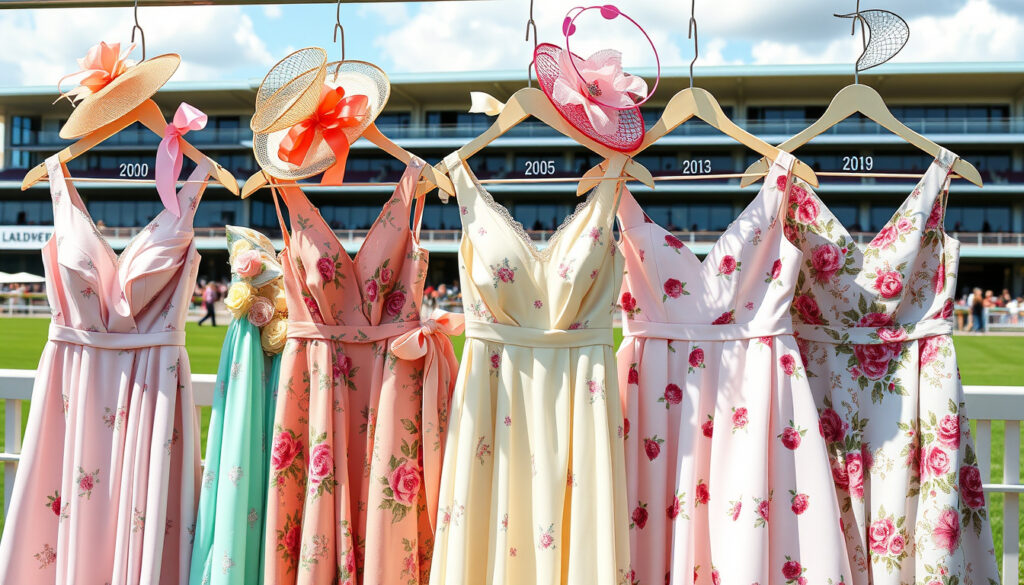
Selecting the perfect race day dress requires balancing event traditions, venue dress codes, and personal style. Whether attending Royal Ascot, the Kentucky Derby, or the Melbourne Cup, understanding the nuances of race day fashion ensures you look appropriately elegant while feeling confident throughout the event.
Race day fashion carries centuries of tradition, with each major event establishing distinct expectations that have evolved while maintaining core elegance standards. From the strict enclosures of British racing to the vibrant atmosphere of Australian spring racing carnivals, attendees must navigate a landscape where hemlines, headwear, and colour palettes all carry significance.
This guide covers everything from dress code essentials across major events to where to find the best pieces for your next race day appearance, helping you build a sophisticated race day wardrobe that works across multiple occasions.
What to Wear to a Race Day: Dress Code Essentials
Understanding race day dress codes begins with recognising that requirements vary significantly by venue, enclosure level, and event prestige. Most major racecourses divide their grounds into distinct areas, each with specific expectations that affect what you can wear.
Enclosure tiers from premium to general admission determine formality requirements
Midi lengths, wrap dresses, and floral prints consistently rank as race day favourites
Quality race day dresses typically range from $50 for budget options to $500+ for designer pieces
Derby Day, Royal Ascot, Melbourne Cup, and Kentucky Derby each maintain unique traditions
Several key insights guide successful race day dressing. First, ladies’ day enclosures at major events traditionally require headwear, making hats and fascinators essential rather than optional. Second, spring race meetings favour pastel palettes, with soft pinks, sage greens, and sky blues appearing frequently in official event imagery. Third, sustainable fabric choices have gained momentum in 2025, with attendees increasingly selecting pieces made from recycled materials or natural fibres. Fourth, for one-off events, renting versus buying presents a practical consideration that can significantly reduce costs. Fifth, black tie formality extends beyond premium areas at some venues, particularly for evening race meetings.
Dress Code Variations by Enclosure Level
Premium enclosures at venues like Royal Ascot typically require formal day wear, with morning suits for gentlemen and full-length or midi dresses for ladies. Village and garden enclosures offer more flexibility, allowing smart casual separates that might include tailored trousers with elegant tops. General admission areas at most venues have relaxed standards, though denim and athletic footwear remain inappropriate for formal race days.
Royal Ascot enforces among the strictest dress codes in racing globally. The Royal Enclosure requires dresses below the knee, no exposed shoulders, and hats or fascinators. The Queen Anne Enclosure and Winton Enclosure have slightly relaxed requirements but still mandate formal attire. Always verify your specific enclosure before selecting your outfit.
Understanding Formal versus Casual Race Day Areas
The distinction between formal and casual race day attire centres on three primary factors: dress length, headwear expectations, and fabric choices. Formal race days require dresses falling to the knee or below, structured fabrics like silk or wool blends, and coordinated accessories including appropriate headwear. Casual areas permit greater flexibility, allowing printed midi dresses, tailored separates, and minimal accessories.
Weather considerations also influence appropriate dressing. Outdoor racecourses expose attendees to sun, wind, and potential rain, making lightweight layers essential regardless of enclosure. A structured blazer or tailored jacket provides warmth during evening races while complementing formal attire.
| Fact | Details | Events |
|---|---|---|
| Formal Requirement | Dresses must reach knee length or below | Royal Enclosure, Premium hospitality |
| Casual Permitted | Smart separates and midi dresses acceptable | General Admission, Public areas |
| Average Price Point | $150-300 for quality race day dresses | All major events |
| Hat Rule | Fascinators accepted in most ladies’ enclosures | Ladies Day events, Ascot |
| Footwear Standard | Block heels or flats recommended for grass areas | All outdoor venues |
| Colour Restrictions | Monochrome only at Derby Day, Melbourne | Derby Day Flemington |
Best Colours and Styles for Race Day Dresses
Selecting the right colour for your race day dress depends heavily on the specific event, its traditions, and seasonal timing. Different race meetings have established colour palettes that honour their heritage while allowing individual expression within defined parameters.
Monochrome Requirements: Derby Day and Formal Events
Derby Day at Flemington enforces the most restrictive colour code among major Australian race meetings, requiring strict black and white attire throughout every element of your ensemble. This monochrome requirement extends to shoes, accessories, and bags, creating a cohesive aesthetic that photographs beautifully against the historic venue. A classic black jumpsuit paired with a wide-brimmed white hat offers a contemporary interpretation of this tradition, while head-to-toe white ensembles with carefully chosen black accessories demonstrate bold confidence.
The Caulfield Cup Day takes a markedly different approach, encouraging bold colours that celebrate the spring carnival atmosphere. Vibrant hues, rich jewel tones, and statement prints align with this event’s more playful character. The Everest at Randwick introduces a “Blue Hues” theme, inviting attendees to wear white with light blue accents. While this theme remains suggestive rather than mandatory, embracing it shows appreciation for event traditions.
Stakes Day positioned as the carnival’s family day, embraces a more relaxed aesthetic that welcomes printed dresses, floral patterns, and flowy skirt-and-top combinations. This contrasts sharply with Derby Day’s monochrome demands and Caulfield Cup’s colour enthusiasm.
2025 Autumn Racing Fashion Trends
Autumn 2025 racing fashion presents an exciting array of styles that blend contemporary sophistication with nods to racing tradition. Bold maximalism has emerged as a defining trend, featuring daring prints including leopard and animal patterns that add untamed glamour to the racecourse. Tailored suiting continues its dominance, with structured blazers and matching trousers offering confidence and polish.
Pinstripes have entered the racing fashion conversation, providing contemporary power dressing options that photograph exceptionally well. Monochrome looks maintain their appeal for their inherent sophistication, while vibrant primary colours including reds, yellows, and blues inject energy and playfulness into the proceedings. Clean cuts and elongated shapes create effortless grace, particularly in midi and maxi lengths that align with dress code requirements.
Vintage-inspired elegance combines refined details from past eras with contemporary silhouettes, featuring puffed sleeves, lace accents, and botanical prints that evoke timeless sophistication while remaining fashion-forward.
Seasonal Colour Recommendations
Spring race meetings traditionally favour lighter palettes that complement blooming florals and outdoor settings. Pastel shades including blush pink, soft lavender, mint green, and delicate yellow appear frequently in official event imagery and attendee selections. Summer events permit brighter, bolder hues given the warmer conditions and daytime scheduling.
Autumn racing allows deeper tones including burgundy, forest green, navy, and camel that align with the season’s natural palette. Winter race meetings at covered or indoor venues embrace richer fabrics and jewel tones, though day racing events maintain lighter seasonal expectations.
How to Style Race Day Dresses with Accessories
Accessories transform race day dresses from simple garments into complete ensembles that honour event traditions while expressing personal style. Strategic accessory selection requires understanding which pieces are essential, which are optional, and how to coordinate multiple elements for maximum impact.
Headwear: Essential Elegance
Headwear remains mandatory in ladies’ day enclosures at most formal race meetings, making hat selection a critical component of race day preparation. Wide-brimmed hats offer classic elegance and excellent sun protection, making them practical choices for outdoor venues during spring and summer. Fascinators provide a more contemporary alternative, traditionally worn positioned on the right side of the head to frame the face in photographs.
Fedoras and Panama hats introduce casual sophistication to more relaxed race day settings, while top hats remain reserved for the most formal enclosures at events like Royal Ascot. Baseball caps, casual sunhats, and novelty headpieces fall outside acceptable race day standards and should be avoided regardless of venue.
Tradition dictates that fascinators should be worn on the right side of the head when viewed from the front. This placement ensures optimal visibility in race day photographs and aligns with longstanding racing fashion conventions that originated in British aristocracy.
Footwear Selection for Comfort and Style
Race day footwear must balance aesthetic appeal with practical considerations given the substantial standing and walking required at most racecourses. Grass areas, if present, create particular challenges for stiletto heels, which sink into turf and create unstable footing. Block heels, wedges, and chic flats provide the stability necessary for navigating racecourse grounds while maintaining elegant appearances.
For gentlemen, polished Oxfords, brogues, and loafers suit summer race meetings held on grass and gravel surfaces. Winter events and indoor venues accommodate Chelsea boots and other closed footwear that provides warmth alongside sophistication. Ankle and knee-high boots offer additional coverage during cooler months or evening race meetings.
Coordinating Bags, Jewelry, and Sunglasses
Clutch bags and structured crossbody bags complement race day dresses without overwhelming them. Oversized bags appear incongruous with formal race day attire, while tiny clutches may prove impractical for storing essentials like phones, sunscreen, and race cards. Leather clutches in neutral tones or metallic finishes provide versatility across multiple outfits.
Jewelry selection should complement rather than compete with your dress and headwear. Delicate pieces that catch light without appearing excessive work well for daytime events. Statement earrings can anchor minimalist dress choices, though pairing bold earrings with equally striking dresses creates visual clutter. Sunglasses serve both functional and fashion purposes, with classic shapes like cat-eyes and aviators photographing better than overly sporty styles.
Outerwear for Unpredictable Weather
Spring race meetings frequently bring unpredictable weather conditions, making thoughtful outerwear selection essential. Lightweight blazers in tailored cuts provide structure and warmth without adding bulk. Trench coats offer classic sophistication while protecting against spring showers and cool breezes.
Faux fur stoles and shrugs add glamorous coverage during cooler evening races, while cropped jackets and shawls provide alternatives for warmer conditions. Activewear layers including hoodies fall definitively outside acceptable race day outerwear, regardless of how premium the brand or how mild the weather.
Where to Buy the Best Race Day Dresses
Finding quality race day dresses requires knowing where to look across different budget levels and style preferences. Major fashion retailers, specialist racing wear brands, and luxury designers all serve the race day market, each offering distinct advantages for different occasions and requirements.
Designer Options for Premium Events
Luxury fashion houses increasingly recognise race day dressing as a significant market segment, offering curated collections that align with major event dress codes. Premium retailers stock designer pieces featuring quality fabrics, impeccable construction, and fashion-forward silhouettes that photograph exceptionally well.
Fashion publications like Vogue provide extensive coverage of race day fashion trends, offering inspiration and direct links to featured pieces. These resources prove particularly valuable when preparing for prestigious events like Royal Ascot or the Kentucky Derby where fashion carries particular significance.
Quality race day dresses need not require designer budgets. High street retailers consistently produce race-appropriate styles at accessible price points. Consider renting for one-off events, particularly if attending prestigious gatherings with strict dress codes where buying appropriate attire may exceed practical value.
Specialist Racing Wear Brands
Australian brands including Montique Clothing and All The Dresses have established strong reputations within the spring racing carnival market, offering curated collections specifically designed for major events. These specialists understand local dress code requirements and seasonal trends, providing pieces that navigate venue expectations while maintaining individual style.
British specialists serving the Ascot and Royal meeting markets offer morning suits, formal dresses, and headwear options that meet strict enclosure requirements. Understanding the specific brand’s sizing conventions and stylistic approach helps ensure satisfactory purchasing decisions when buying from specialist providers.
Budget-Friendly Options Under $100
Affordable race day dresses available under $100 can deliver excellent value when shopping strategically. High street chains consistently stock midi dresses, wrap styles, and tailored separates suitable for race day appearances. Focus on fabric quality even at lower price points, selecting natural fibres or quality blends over polyester-heavy alternatives that photograph poorly and lack durability.
Sales periods including end-of-season clearances and Black Friday promotions offer opportunities to acquire premium pieces at reduced prices. Building a versatile race day wardrobe over multiple seasons allows investment in quality basics that pair with statement accessories purchased during sales.
The Evolution of Race Day Fashion
Race day fashion has undergone significant transformation since formal racing events emerged as prominent social occasions in the nineteenth century. Understanding this evolution provides context for contemporary dress code expectations and helps attendees appreciate the traditions they honour through their outfit selections.
- — The emergence of Derby fashion icons established many conventions still visible today, with high society embracing elaborate hats and tailored silhouettes that emphasised elegance over practicality.
- — Pastel colours experienced a significant surge in popularity, particularly at British spring racing events, with soft pinks, lavenders, and baby blues becoming synonymous with fashionable race day appearances.
- — Midi dress lengths rose to dominance, replacing the miniskirt trend of previous decades and establishing knee-length and below as the standard for formal race day dressing.
- — Eco-fabrics and sustainable fashion choices have entered the race day conversation, with major events and attendees increasingly prioritising environmental considerations alongside traditional style concerns.
What We Know versus What Remains Uncertain
Race day dress codes, while well-established at major events, contain variations and uncertainties that attendees should acknowledge when planning their outfits. Clear communication of established requirements helps ensure appropriate preparation, while recognising areas of genuine ambiguity prevents unnecessary anxiety.
| Established Information | Uncertain or Variable Elements |
|---|---|
| Royal Ascot Royal Enclosure requires knee-length+ dresses without exposed shoulders | Interpretation of “formal” varies between racecourse staff and attendees |
| Derby Day Melbourne requires strict black and white attire | Specific accessory requirements change slightly year to year |
| Kentucky Derby maintains smart casual minimum for most areas | Exact enforcement levels fluctuate based on attendance and weather |
| Headwear expected in ladies’ enclosures at formal events | Acceptability of alternatives to traditional fascinators varies |
| Grass venues require stable footwear alternatives to stilettos | Specific brand or style recommendations are subjective |
Cultural Significance of Race Day Fashion
Race day fashion extends far beyond personal style expression, serving as a visible demonstration of respect for sporting heritage and social tradition. Major race meetings function as de facto fashion events where outfit choices carry social significance and generate considerable media attention.
Australian spring racing carnivals have become renowned for showcasing emerging design talent alongside established fashion houses, with the Melbourne Cup Carnival specifically generating substantial fashion media coverage. The tradition of ladies’ day at major events creates opportunities for designers to gain significant exposure through celebrity and attendee appearances.
British race meetings, particularly Royal Ascot, maintain the strongest connections to aristocratic fashion traditions, with dress codes originating in formal court attendance requirements. These historical connections explain why certain garments and accessories remain expectations rather than suggestions at premium British racing events.
Expert Perspectives on Race Day Style
Fashion authorities consistently emphasise the enduring appeal of classic race day silhouettes while acknowledging room for individual interpretation within established parameters. Understanding these expert perspectives helps attendees navigate the balance between tradition and personal expression.
“Midi lengths have proven genuinely timeless for race day occasions, offering the sophistication that formal events require while accommodating diverse body types and personal style preferences.”
— Fashion editorial commentary on racing wear
“Headwear enhances the spectacle of race day occasions, creating visual coherence among attendees while honouring longstanding traditions that distinguish racing fashion from everyday dressing.”
— Event organisation statements on dress codes
These perspectives underscore that race day fashion serves collective as well as individual purposes, with outfit choices contributing to the overall atmosphere and photography that define major racing events.
Building Your Race Day Wardrobe
Approaching race day dressing strategically involves building a versatile wardrobe that serves multiple events without requiring separate purchases for each occasion. Investment pieces that meet higher dress code standards can be dressed down for more relaxed venues, while statement accessories transform basic outfits into race-appropriate ensembles.
A quality midi dress in a versatile colour serves as a foundational race day piece, functioning across seasons and event types with appropriate accessory pairing. Tailored separates including wide-leg trousers and structured blazers provide alternatives to dresses while maintaining formal standards. Versatile headwear including neutral-toned fascinators and classic wide-brimmed hats works with multiple outfits across different events.
For those interested in extending their fashion knowledge, exploring related style categories like Polka Dot Skirt Trends can inspire creative approaches to race day dressing that incorporate current fashion movements within appropriate parameters.
Beauty and fashion retail strategies also influence race day preparation, with beauty enthusiasts often seeking comprehensive sets that simplify preparation for major events. Resources like the Sephora Favourites Set Guide demonstrate how curated collections can streamline the accessory and beauty components of race day preparation.
Are shorts allowed at races?
Shorts are generally not permitted at formal race day events, regardless of how tailored or premium the shorts may be. Ladies’ day enclosures and premium hospitality areas maintain dress code expectations that require dresses, skirts, or tailored trousers. Casual areas at some venues may permit shorts, but formal race meetings almost universally restrict lower body coverage to full-length garments.
What colour dress works best for the Melbourne Cup?
Melbourne Cup week includes multiple events with different colour expectations. Derby Day requires strict black and white, Caulfield Cup Day encourages bold colours, and Stakes Day accepts printed dresses. For the Melbourne Cup itself, aim for sophisticated, statement-making pieces in vibrant colours or elegant prints that photograph well and align with spring carnival atmosphere.
What are essential race day outfits for women?
Essential race day pieces include a midi or knee-length dress in a versatile colour, a wide-brimmed hat or fascinator, block-heeled shoes or elegant flats, a structured blazer or tailored jacket, and a coordinating clutch bag. These fundamentals meet dress code requirements across most formal race meetings while allowing personal style expression through colour and accessory choices.
What hat styles are acceptable for Royal Ascot?
Royal Ascot accepts wide-brimmed hats, fascinators, and top hats depending on your enclosure. The Royal Enclosure traditionally favours elaborate hats and large fascinators, while other enclosures accept smaller fascinators and simpler headwear. Baseball caps and casual sunhats fall outside acceptable options for all enclosures.
How strict are race day dress codes really?
Dress code strictness varies significantly by venue, enclosure, and event prestige. Premium enclosures at Royal Ascot enforce codes quite strictly, with staff potentially refusing entry to inappropriately dressed attendees. General admission areas at most venues apply requirements more loosely, with enforcement focusing on obviously inappropriate items like athletic wear rather than minor dress code technicalities.
What shoes should I wear to a grass racecourse?
Grass racecourses require stable footwear that won’t sink into turf. Block heels, wedges, and chunky soles work excellently, while stilettos create instability and potential damage to grass surfaces. Waterproof options prove valuable given unpredictable spring weather, and closed-toe styles offer additional protection during cooler conditions or evening events.
Can I wear a jumpsuit to the races?
Jumpsuits are increasingly accepted at race day events, provided they meet appropriate formality standards. Tailored jumpsuits in structured fabrics with midi or full lengths work well for most venues. Avoid casual jersey jumpsuits or overly sporty styles. A wide-brimmed hat helps ensure jumpsuit outfits meet ladies’ day enclosure expectations where applicable.