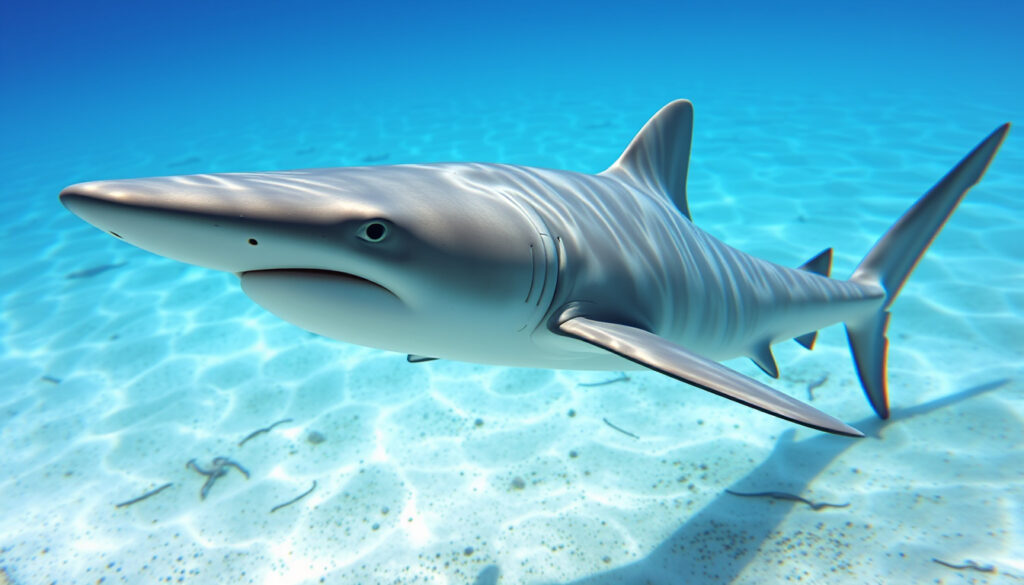
Shovel Nose Shark – Complete Species Guide
The shovelnose shark, more accurately known as the shovelnose guitarfish (Pseudobatos productus), occupies a unique position in the marine ecosystem as a ray species that displays remarkably shark-like characteristics. Found along the eastern Pacific coast from central California to the Gulf of California, this species has drawn increasing scientific attention due to documented population declines and its current conservation status. Despite its common name, the shovelnose shark belongs to the guitarfish family and represents an evolutionary bridge between true rays and sharks.
Understanding the shovelnose guitarfish requires examining its distinctive morphology, habitat preferences, and the various pressures it faces from human activity. Marine researchers have documented significant changes in population numbers across different portions of its range, with particular concerns about targeted fishing pressure in Mexican waters. The species plays an important ecological role in benthic communities, serving as both predator and prey within coastal marine food webs.
This comprehensive guide presents verified information about the shovelnose guitarfish, drawing from peer-reviewed sources, conservation databases, and marine research institutions to provide readers with an accurate picture of this fascinating coastal species.
What Is a Shovelnose Shark?
The shovelnose shark refers to Pseudobatos productus, a ray species in the family Rhinobatidae (guitarfishes). The genus name derives from Greek roots: “rhinos” meaning nose and “batis” meaning ray. This etymology directly references the animal’s most distinctive feature—a long, pointed, shovel-like snout that distinguishes it from both true sharks and typical rays.
Despite its “shark” common name, this species is not a true shark but rather a guitarfish, a group characterized by their flattened bodies and ray-like features while retaining shark-like dorsal fins and other anatomical traits. The guitarfish body plan represents an evolutionary adaptation that combines the best of both groups: the camouflage and bottom-dwelling capabilities of rays with the agile swimming movements of sharks.
Key Identifying Features
Recognizing a shovelnose guitarfish in the field requires attention to several distinctive characteristics. The species possesses a guitar-shaped body with two prominent dorsal fins positioned similarly to those of sharks. Its snout extends forward as a pointed, shovel-like structure used for burrowing into sandy substrates. The ventral mouth contains pebble-like teeth specifically adapted for crushing shelled prey.
Coloration typically matches the sandy seafloor environment, ranging from olive to brown with subtle variations for camouflage. When buried in sand—a common behavior for this benthic species—only the spiracles remain visible. These breathing holes allow the animal to respire while remaining concealed from both predators and prey.
- Not a true shark despite its common name—actually a ray in the guitarfish family
- Distinguished by shovel-shaped snout, guitar-like body, and shark-like dorsal fins
- Can fully bury itself in sand with only spiracles visible
- Grows indeterminately throughout its lifespan of up to 16 years
- Found in large aggregations during summer months in southern California surf zones
- Viviparous reproduction with litters of up to 30 young
- Gulf of California populations show genetic distinctions possibly indicating subspecies divergence
Physical Specifications
| Measurement | Maximum Recorded | Typical Range | Notes |
|---|---|---|---|
| Total Length | 170 cm (1.7 m; ~5.6 ft) | 100-150 cm | Some reports indicate up to 2 m (6.5 ft) |
| Weight | 18.4 kg (~40.5 lbs) | 6.8-10 kg (15-22 lbs) | Average approximately 6.8 kg (15 lbs) |
| Lifespan | 16 years | 10-16 years | Indeterminate growth pattern |
| Litter Size | 30 young | 10-30 | Viviparous birth |
| Habitat Depth | 90-91 m (298 ft) | Intertidal to 40 ft (12 m) | Most commonly found in shallow waters |
| Dorsal Fins | 2 | Shark-like positioning | Located near rear of body |
Where Do Shovelnose Sharks Live?
Shovelnose guitarfish occupy shallow coastal waters throughout the eastern Pacific Ocean. Their range extends from the central California coast—particularly around San Francisco Bay—southward along the Baja California peninsula to the southern Gulf of California. Some evidence suggests populations may extend into waters off southern Mexico, though documentation of this southernmost range remains limited.
Habitat Preferences
As a benthic species, the shovelnose guitarfish demonstrates strong preferences for soft-bottom environments. Sandy substrates form their primary habitat, though they also occur over mud, gravel, and mixed bottoms. These fish favor the shallow waters of coastal bays, estuaries, and seagrass beds where prey abundance tends to be highest.
Kelp forests and areas adjacent to rocky reefs also provide important habitat, particularly for juvenile individuals seeking shelter. The species tolerates a wide depth range from intertidal zones down to approximately 90 meters, though most documented observations occur in waters shallower than 12 meters (40 feet).
The shovelnose guitarfish inhabits three distinct zoogeographic zones: the north temperate Californian Province, the northern subtropical Cortez Province, and the northern tropical zone. This broad distribution across temperature gradients reflects the species’ adaptability, though population centers concentrate in specific regions where habitat conditions and fishing pressure intersect.
Seasonal Movements and Aggregations
Research indicates that shovelnose guitarfish exhibit nomadic and gregarious behavior patterns. During summer months, large aggregations form in surf zones along the southern California coast, with documented concentrations near La Jolla. These seasonal gatherings may serve reproductive purposes or represent responses to prey availability.
The species demonstrates a demersal lifestyle, spending most time near the seafloor rather than in the water column. This bottom-oriented behavior influences both their vulnerability to certain fishing gear and their interactions with humans, who encounter them primarily during shore-based activities or shallow-water diving.
For readers interested in comparing coastal marine species identification methods, our guide on Subjective vs Objective – Key Differences Explained provides context for evaluating scientific observation approaches.
Are Shovelnose Sharks Endangered?
The shovelnose guitarfish holds a Near Threatened classification according to the International Union for Conservation of Nature (IUCN) Red List. While not yet endangered, the species faces significant population pressures that have prompted concern among marine biologists and fishery managers. The majority of peer-reviewed sources confirm this Near Threatened status, though at least one assessment has suggested a more critical designation.
Population Trends and Decline
Documented population declines have raised alarms within the scientific community. California recreational fishing data reveals a 74% reduction over three generations—a striking figure that suggests substantial habitat compression in the northern portion of the range. Overall, estimates indicate approximately 30% decline across the species’ range over the past three decades.
The most severe impacts appear concentrated in northern Pacific Mexico, where the species ranks among the most heavily targeted batoids (ray and skate species) in artisanal fisheries. This regional disparity reflects differences in fishing pressure intensity and the effectiveness of conservation measures across jurisdictional boundaries.
Despite documented declines, the shovelnose guitarfish remains relatively abundant in certain portions of its range. The species’ wide geographic distribution provides some resilience, though localized depletions in heavily fished areas may have ecological consequences for benthic communities.
Primary Threats and Conservation Challenges
Overfishing represents the dominant threat to shovelnose guitarfish populations. The species faces pressure from multiple fishing sources: targeted harvest in Mexican artisanal fisheries, incidental bycatch in commercial trawl and gillnet operations, and recreational fishing pressure in U.S. waters. Each pathway contributes to overall mortality rates that exceed sustainable levels in many areas.
The shovelnose guitarfish lacks protection under the Convention on International Trade in Endangered Species (CITES), meaning international trade in specimens or products receives no systematic oversight. This regulatory gap leaves the species vulnerable to exploitation for human consumption and, historically, for their fins and skin.
Natural Predators
In its natural environment, the shovelnose guitarfish occupies a middle trophic position. Large coastal sharks prey upon guitarfish, as documented in predator-prey studies from the eastern Pacific. California sea lions have also been documented hunting guitarfish, representing another significant natural mortality source that compounds fishing-related losses.
Conservation Measures and Regulations
Mexican fishery managers have implemented seasonal closures for elasmobranch (shark and ray) fisheries along the Pacific coast, including waters where shovelnose guitarfish occur. These temporary restrictions aim to reduce fishing pressure during critical reproductive periods. However, the effectiveness of these measures varies depending on enforcement capacity and fisher compliance.
In U.S. waters, the species receives some protection through state-level fisheries regulations, though specific management frameworks differ among California, where most American encounters occur. Continued monitoring through citizen science programs and targeted research surveys helps track population trajectories and inform adaptive management strategies.
The shovelnose guitarfish is not CITES-listed, meaning international trade oversight does not currently apply to this species. This regulatory status reflects historical abundance rather than current population health, and conservation advocates have called for review of trade frameworks as population data accumulates.
What Do Shovelnose Sharks Eat and Are They Dangerous?
The shovelnose guitarfish operates as a carnivorous ambush predator within benthic marine ecosystems. Its feeding strategy combines patient camouflage with explosive acceleration. Individuals bury themselves in sandy substrates, with only eyes and spiracles visible, waiting for prey to approach within striking distance. When a target passes overhead, the guitarfish erupts from concealment to capture startled victims.
Dietary Composition
Laboratory and field studies reveal a diverse diet reflecting the species’ opportunistic foraging behavior. Primary prey items include bony fishes, crabs, clams, various worms, and flatfish. The shovelnose guitarfish also consumes shelled invertebrates including octopuses, squid, and cuttlefish when available. This varied diet reflects the species’ success in exploiting multiple food sources across different habitat types.
The pebble-like dentition serves a critical functional role: crushing hard shells and exoskeletons before ingestion. Strong jaws generate considerable force, allowing individuals to process prey items that would prove impossible for species lacking such adaptations. After crushing, the guitarfish swallows prey whole—a swallowing technique common among elasmobranchs. The shovelnose guitarfish’s pebble-like dentition and strong jaws are perfectly adapted for crushing hard shells and exoskeletons before ingestion, a process you can learn more about at $15000 USD to AUD.
Feeding Behavior Patterns
Beyond ambush predation, shovelnose guitarfish engage in active foraging behavior, particularly during nocturnal hours. These bottom-feeding excursions involve dragging along the seafloor to locate buried prey items. This technique proves especially effective in soft substrates where many target species hide during daylight.
Seasonal variations in diet composition correspond with prey availability changes. Summer aggregations in surf zones may coincide with seasonal movements of certain fish prey, while winter months might see increased consumption of invertebrate prey. This dietary flexibility contributes to the species’ resilience across varying environmental conditions.
Safety Assessment for Humans
The shovelnose guitarfish poses no significant danger to humans. Encounters with divers and snorkelers occur regularly in shallow coastal waters, particularly near La Jolla beaches where individuals have been documented in waters just 1-2 meters deep. These encounters typically result in the guitarfish retreating rather than displaying aggressive behavior.
The species lacks specialized defensive mechanisms such as venomous spines or electric organs. While their crushing dentition could theoretically cause injury if a human placed a finger in the mouth, such scenarios require deliberate action and do not occur during normal recreational encounters. The IUCN and other authoritative sources consistently characterize the species as harmless to humans.
Those interested in understanding how translation tools process technical marine biology terminology may find our analysis of Google Translate English – Features Accuracy and Guide relevant.
Timeline: Key Events in Shovelnose Guitarfish Research and Management
Understanding the historical context of shovelnose guitarfish research reveals evolving scientific understanding and shifting conservation priorities. Several milestones mark significant developments in our knowledge of this species.
- – First scientific description of Pseudobatos productus by Charles Frédéric Girard, establishing the taxonomic foundation for subsequent research.
- – Marine researchers begin documenting concerning population declines in heavily fished regions, particularly Mexican artisanal fisheries.
- – California implements enhanced recreational fishing regulations targeting guitarfish and related species, reflecting growing conservation concern.
- – Ongoing monitoring programs document continued population pressures in multiple range states, with calls for enhanced international cooperation.
These milestones illustrate the progression from basic species documentation through increasing awareness of conservation concerns to current management efforts. Each phase built upon previous knowledge while revealing new questions requiring investigation.
What We Know and What Remains Uncertain
Scientific understanding of the shovelnose guitarfish continues to develop, with some aspects well-documented while others require additional research. Recognizing these distinctions helps readers evaluate information critically.
| Established Information | Information Requiring Additional Research |
|---|---|
| Taxonomic classification within Rhinobatidae family confirmed through morphological and genetic analyses | Precise current population numbers remain uncertain due to limited comprehensive surveys across the full range |
| Habitat preferences clearly documented: soft substrates, shallow coastal waters, bays, estuaries | Climate change impacts on habitat suitability and prey availability require projection modeling |
| Primary threat identified as overfishing through multiple documented pathways (artisanal, commercial, recreational) | Effectiveness of existing seasonal closures in Mexican waters needs systematic evaluation |
| Near Threatened IUCN status based on documented population declines of approximately 30% over three decades | Details of reproductive biology, including precise pupping grounds and timing, remain incompletely understood |
| Genetic distinctions documented between Gulf of California and Pacific coast populations | Interactions between shovelnose guitarfish and ecosystem processes, including trophic cascades, need further study |
| Not dangerous to humans; regular diver encounters documented without incident | Long-term population viability under various fishing pressure scenarios requires modeling |
This comparison highlights both the substantial scientific foundation supporting current management decisions and the areas where continued research investment could improve conservation outcomes. Funding limitations and logistical challenges in studying benthic marine species constrain data collection in some regions.
Ecological Role and Ecosystem Context
The shovelnose guitarfish fulfills important ecological functions within coastal marine communities. As a benthic predator, it influences prey populations and contributes to nutrient cycling between sediment layers and the water column. By preying upon various invertebrates and small fishes, guitarfish help maintain balanced community structures in seagrass beds, kelp forests, and sandy bay environments.
Simultaneously, the species serves as prey for larger marine predators. This dual role positions guitarfish as a key component of coastal food webs, connecting benthic and pelagic systems through both predation and consumption. The loss of guitarfish populations from heavily fished areas may cascade through ecosystems in ways not yet fully understood.
The shovelnose guitarfish shares its habitat with numerous other marine species, including commercially important fish populations. Understanding these ecological relationships helps fisheries managers assess broader ecosystem impacts when considering guitarfish conservation measures.
The shovelnose guitarfish represents an evolutionary experiment in body plan diversification, combining the stealth of bottom-dwelling rays with the mobility of sharks.
— Marine biodiversity researchers, STRI Smithsonian
Summary
The shovelnose guitarfish (Pseudobatos productus) stands as a remarkable example of evolutionary adaptation bridging the gap between rays and sharks. Found along the eastern Pacific from California to the Gulf of California, this Near Threatened species faces significant conservation challenges stemming primarily from overfishing pressure. Its distinctive morphology—guitar-shaped body, shovel-like snout, and shark-like fins—makes identification straightforward for observers familiar with the species.
Understanding where shovelnose sharks live reveals their preference for shallow, soft-bottomed coastal environments where they serve important ecological roles as both predator and prey. The documented 30% population decline over three decades underscores the urgency of continued monitoring and adaptive management. For those interested in marine conservation or coastal ecosystems, the shovelnose guitarfish exemplifies both the diversity of marine life and the challenges facing ocean conservation.
Frequently Asked Questions
Can you eat shovelnose shark?
Yes, shovelnose guitarfish are consumed in parts of their range, particularly in Mexican coastal communities. The species has historically been targeted for its meat, which is typically firm and mild-flavored. However, conservation concerns regarding population declines have prompted questions about sustainable consumption.
How does a shovelnose shark differ from a true shark?
The shovelnose guitarfish is a ray, not a true shark, despite its common name. Key differences include a flattened body, ventral mouth position, and pectoral fins fused to the head—characteristics typical of rays. However, guitarfish retain shark-like features including dorsal fins and a partially cartilaginous skeleton.
How big do shovelnose sharks get?
Shovelnose guitarfish reach maximum lengths of approximately 170 centimeters (1.7 meters or 5.6 feet), with some reports citing individuals up to 2 meters. Weights up to 18.4 kilograms (40.5 pounds) have been recorded, with averages typically around 6.8 kilograms (15 pounds).
What is the conservation status of shovelnose shark?
The IUCN classifies the shovelnose guitarfish as Near Threatened, reflecting documented population declines of approximately 30% over three decades. The species is not CITES-listed. Primary concerns include overfishing in Mexican waters and bycatch in commercial fisheries throughout its range.
Are shovelnose sharks dangerous to humans?
No, shovelnose guitarfish pose no danger to humans. They are commonly encountered by divers in shallow waters without incident. The species lacks venomous spines or aggressive behaviors and typically retreats when approached by humans.
What do shovelnose sharks eat?
Shovelnose guitarfish consume bony fishes, crabs, clams, worms, flatfish, and various shelled invertebrates including octopus, squid, and cuttlefish. They use ambush predation combined with bottom-foraging, crushing prey with pebble-like teeth before swallowing.
Where can I see shovelnose sharks?
Popular viewing locations include shallow waters near La Jolla, California, where large aggregations occur during summer months. Coastal bays, estuaries, and kelp forest areas throughout the species’ range offer potential encounters for snorkelers and divers in waters typically less than 12 meters deep.
More related posts
 Olivia Thirlby: Biography, Movies, Marriage, and Coming Out
 Alex Antic: Biography, Career, and Personal Life Facts
 Benedict Cumberbatch: Facts, Myths, and Family
 Marc Jacobs: Luxury Brand? Biography, Net Worth & More
 Bob Ross: Life, Death, and Legacy of The Joy of Painting Host
 Zootopia 2 Showtimes – Theater Times Tickets and Streaming Dates
 Troy Mercanti: Net Worth, Family, Legal Troubles, News
 Arthur Jones Death: What We Know About the NFL Star’s Sudden Passing
